
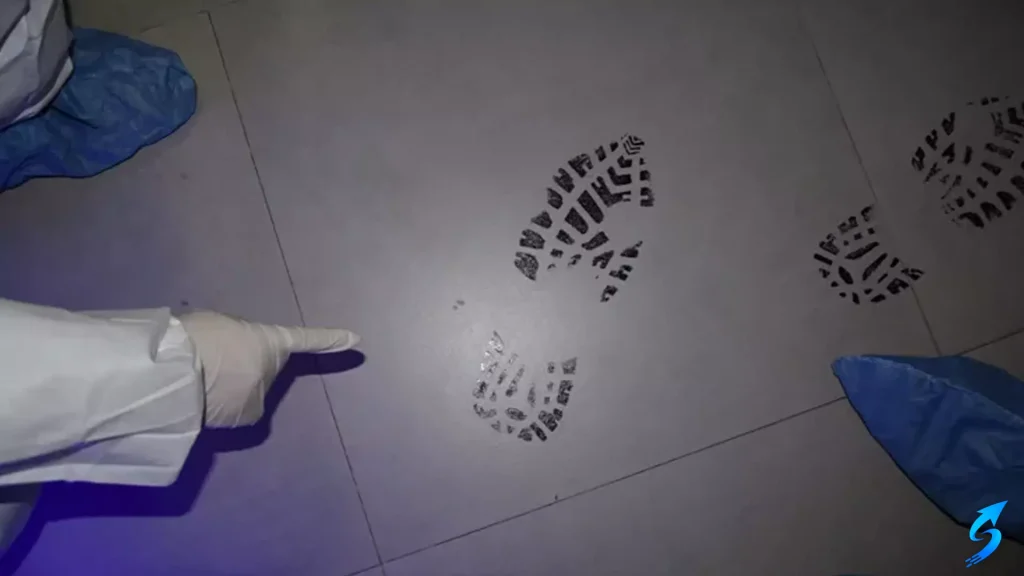
Introduction to Footwear Evidence
Footwear evidence is an important but often underestimated part of forensic science. In many theft and burglary cases, criminals unintentionally leave behind footprints or shoe impressions at the crime scene. These impressions can reveal valuable information about a suspect’s movements, behavior, and even physical characteristics.
The forensic approach known as Identifying a Thief Through Footprints and Shoe Impressions focuses on analyzing these marks to connect individuals to specific locations. When fingerprints or DNA are unavailable, shoe impressions may provide critical investigative leads.
Types of Footprints and Shoe Impressions
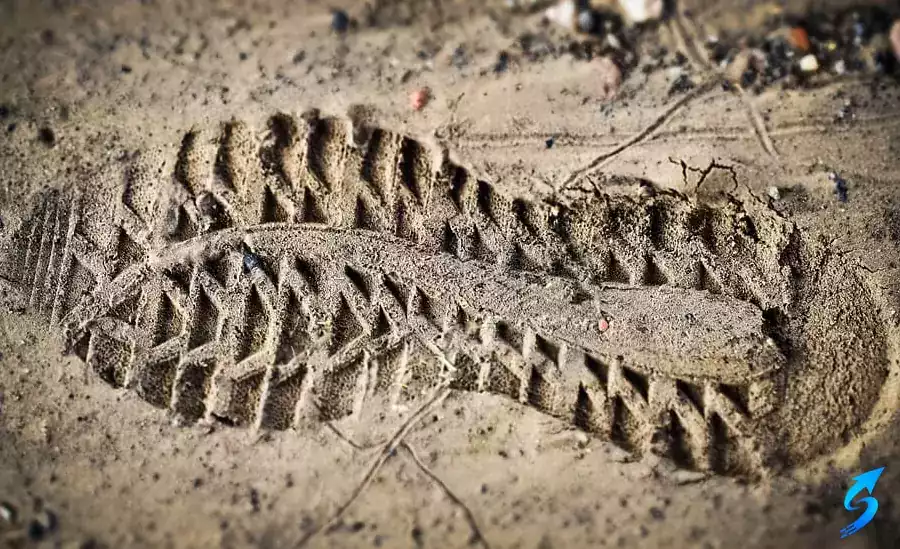
In forensic investigations, shoe impressions are far more common than bare footprints. These impressions can appear on various surfaces such as soil, dust, snow, carpets, or hard floors. Investigators generally classify shoe impressions into three categories:
- Visible impressions that can be seen without special tools
- Plastic impressions formed in soft surfaces like mud or sand
- Latent impressions that require enhancement techniques
Each type requires proper documentation to preserve details that may later be used in analysis or court proceedings.
Forensic Importance in Theft Investigations
Shoe impressions are typically considered class evidence, meaning they can associate a suspect with a group of similar shoes rather than identify one individual with certainty. However, unique wear patterns, cuts, or defects can significantly strengthen comparisons.
Details such as tread design, shoe size, brand characteristics, and pressure distribution are carefully examined. In many cases, Identifying a Thief Through Footprints and Shoe Impressions helps investigators narrow down suspect lists and reconstruct how a crime occurred.
Collection and Analysis Methods
Correct collection methods are essential for footwear evidence to remain reliable. Investigators often use high-quality photography with measurement scales to document impressions. Three-dimensional impressions may be preserved using casting materials, while dust impressions can be lifted using electrostatic techniques.
Once collected, impressions are compared with footwear seized from suspects. Digital tools and footwear databases assist forensic experts in identifying outsole patterns and matching characteristics. When supported by other evidence, this analysis can be highly persuasive.
Limitations of Shoe Impression Evidence
Despite its usefulness, footwear evidence has limitations. Environmental damage, partial impressions, and the widespread production of similar shoe models can reduce reliability. For this reason, Identifying a Thief Through Footprints and Shoe Impressions should not rely on shoe evidence alone. Instead, it is most effective when combined with surveillance footage, witness statements, or additional forensic findings.
Conclusion and Final Summary
Footprints and shoe impressions play a valuable role in modern forensic investigations, particularly in theft cases. When properly collected and analyzed, they can place suspects at crime scenes and support investigative conclusions.
The practice of Identifying a Thief Through Footprints and Shoe Impressions demonstrates how small details can provide meaningful insights. As forensic methods and technology continue to improve, footwear evidence will remain a reliable tool in the pursuit of justice.