

In the ever-evolving landscape of law enforcement, technology plays a pivotal role in ensuring justice is served swiftly and accurately. Among the technological advancements, Forensic Image and Video Enhancement Solutions for Law Enforcement. These solutions empower law enforcement agencies to extract critical information from low-quality images and videos, which often play a crucial role in solving crimes. This article delves into the importance, methods, and applications of forensic image and video enhancement, highlighting how these solutions are transforming law enforcement.

The Importance of Forensic Image and Video Enhancement
In today’s world, surveillance cameras are ubiquitous. They are present in public spaces, businesses, homes, and vehicles, capturing vast amounts of video footage daily. However, the quality of these images and videos can often be less than ideal. Factors such as low resolution, poor lighting, motion blur, and obstructions can render vital visual information almost useless in its raw form. This is where Forensic Image and Video Enhancement Solutions for Law enhancement come into play.
Key Techniques in Forensic Image and Video Enhancement
There are several techniques employed in forensic image and video enhancement, each designed to address specific issues that may arise in visual evidence.

- Resolution Enhancement: One of the most common problems with surveillance footage is low resolution. Resolution enhancement techniques involve increasing the pixel count of an image or video to make it clearer. Super-resolution algorithms are often used to achieve this, where multiple frames of a video are combined to produce a higher-resolution image.
- Deblurring: Motion blur is another common issue, especially in images or videos where the subject is moving quickly or the camera itself is unstable. Deblurring techniques use advanced algorithms to reverse the effects of motion and bring out the sharp details that are otherwise lost.
- Noise Reduction: In low-light conditions, images and videos tend to have a lot of noise, which can obscure important details. Noise reduction techniques work by filtering out the unwanted noise while preserving the essential features of the image or video.
- Color Correction: Poor lighting can lead to distorted colors, making it difficult to interpret the scene accurately. Color correction techniques adjust the color balance to reflect what the scene would have looked like under optimal lighting conditions.
Applications in Law Enforcement
Forensic Image and Video Enhancement Solutions for Law Enforcement are applied in various aspects of law enforcement, from traffic violations to major criminal investigations.
- Traffic Enforcement: One of the most common applications is in traffic enforcement, where surveillance footage is used to identify vehicles involved in violations such as speeding, running red lights, or illegal parking. License plate recognition (LPR) systems rely heavily on enhanced images to accurately read and record plate numbers, even in less-than-ideal conditions.
- Criminal Investigations: In more serious cases, such as robberies, assaults, and kidnappings, surveillance footage often plays a key role in identifying suspects. Enhanced images can reveal crucial details such as the suspect’s facial features, clothing, and vehicle details, which can lead to arrests and convictions.
- Accident Reconstruction: In cases of traffic accidents, forensic enhancement can be used to clarify details about the vehicles involved, the point of impact, and the sequence of events leading up to the accident. This information is invaluable in determining fault and ensuring justice is served.
Challenges and Ethical Considerations
While Forensic Image and Video Enhancement Solutions for Law Enforcement offer significant benefits, they also come with challenges and ethical considerations. One of the main challenges is ensuring the accuracy and reliability of the enhanced images. Over-enhancement or misinterpretation of visual data can lead to wrongful convictions or the dismissal of crucial evidence. Therefore, it is essential that these techniques are applied by trained professionals who understand the limitations and potential pitfalls.
read Types of Blurred Images and How to Clarify Them from here.
The Transformative Power of Forensic Image and Video Enhancement in Law Enforcement
Forensic image and video enhancement is emerging as a critical component in modern law enforcement, allowing agencies to make significant strides in extracting meaningful data from low-quality visual evidence. Often, crime scene footage and surveillance video contain invaluable details that are obscured by issues like poor lighting, motion blur, or low resolution, making the data almost unusable without specialized intervention. Through forensic enhancement, agencies can now recover critical information that plays an essential role in building strong cases and advancing the pursuit of justice.
The Impact of Forensic Image and Video Enhancement
In today’s surveillance-rich environment, video footage is captured continuously in public spaces, business districts, residential neighborhoods, and even inside vehicles. Yet, this wealth of data is often of subpar quality. Conditions like inadequate lighting, environmental interference, and fast-moving subjects can render footage nearly unrecognizable.
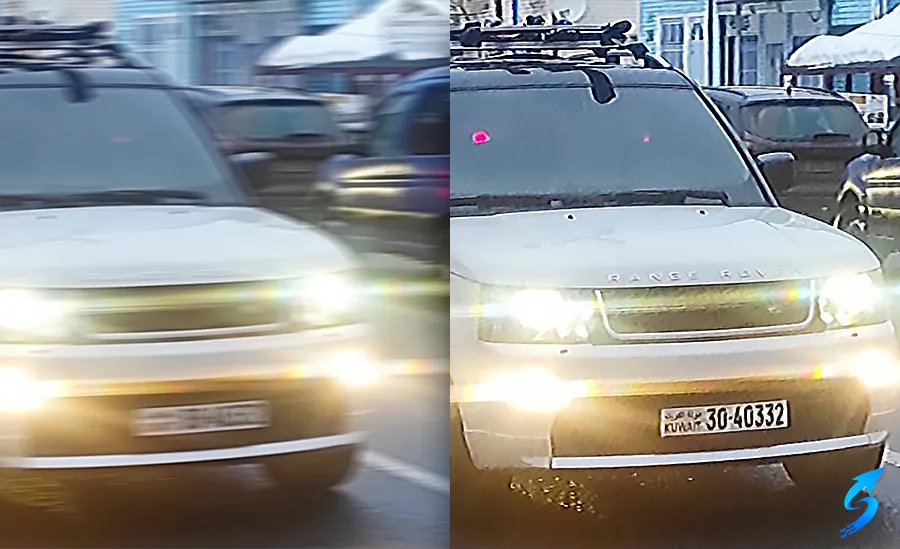
Forensic image and video enhancement technology steps in to remedy these issues, sharpening unclear visuals, restoring accurate color representation, and enhancing resolution to reveal otherwise hidden details. As a result, what was once a blurry face or an unreadable license plate can become clear and identifiable, providing law enforcement with the evidence necessary to pursue investigations more effectively.
Key Techniques in Forensic Enhancement
Several core techniques drive the effectiveness of forensic image and video enhancement. These include:
- Resolution Enhancement: Through advanced algorithms, resolution enhancement clarifies low-resolution images, combining multiple frames to yield a single, high-quality image.
- Deblurring: Using complex algorithms, deblurring eliminates motion blur, recovering essential details from distorted footage.
- Noise Reduction: Especially crucial for low-light or night-time footage, noise reduction filters out grainy interference to preserve critical visual information.
- Color Correction: This technique adjusts poor lighting conditions, ensuring that colors are accurately represented, making scenes clearer and more reliable for investigation.
Applications in Law Enforcement
Forensic enhancement is utilized in a wide range of law enforcement scenarios, from everyday traffic enforcement to major criminal investigations. Enhanced visuals aid in identifying individuals, tracking suspect movements, and reconstructing accidents. Traffic violations, for example, often require high-resolution footage to read license plates in challenging conditions. Enhanced images can also reveal details such as facial features or distinguishing marks on suspects, which can be pivotal in solving cases involving robberies, assaults, or kidnappings.
Forensic Enhancement for Identifying Individuals in Thefts and Accidents
Forensic Image and Video Enhancement has become an invaluable tool in cases of theft and traffic accidents, where capturing and analyzing visual data is crucial. When incidents occur, security footage and video recordings are often the primary sources of information. However, poor lighting, low resolution, and motion blur can obscure critical details. Through forensic image and video enhancement, law enforcement and investigators can significantly improve the quality of these recordings, transforming unclear visuals into evidence that can help identify individuals involved in such incidents.

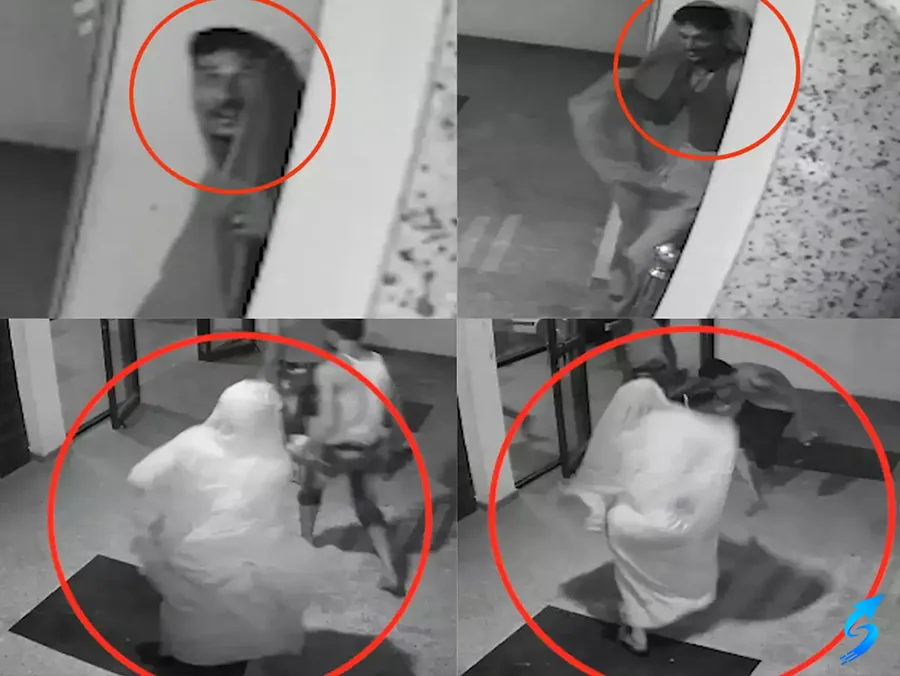
In cases of theft, for example, footage from security cameras frequently contains clues that are essential for identifying suspects. Yet, due to limitations in the recording devices, these videos may not always provide clear details. By enhancing these videos, forensic analysts can reveal distinguishing features of the individual, such as facial characteristics, tattoos, or unique clothing items, allowing authorities to narrow down their search and expedite the investigation process.
For traffic accidents, forensic video enhancement serves a similar role. Surveillance cameras or dashboard cameras might capture an accident, but due to motion blur or low resolution, it can be challenging to identify the vehicles involved or determine the exact sequence of events. Forensic enhancement techniques, such as deblurring and noise reduction, can clarify these visuals, enabling experts to better analyze the footage. This helps in identifying vehicles, understanding the circumstances surrounding the accident, and establishing liability, which is essential in legal cases.
Beyond theft and accidents, this technology has broad applications in various criminal investigations, aiding in the collection of reliable visual evidence. By applying advanced enhancement methods, forensic image and video enhancement systems provide clarity where conventional methods fall short, ensuring that justice is served through more accurate and insightful visual information.
Forensic Image and Video Enhancement Service
In the realm of law enforcement and forensic investigation, video footage plays a pivotal role in uncovering the truth and bringing justice to light. While images are crucial, videos often provide the dynamic context needed to piece together events, identify suspects, and establish a clear narrative. This is where Forensic Video Enhancement Service emerges as an indispensable tool.

Why Forensic Video Enhancement Matters
Surveillance videos, dashcams, and body cameras are ubiquitous in today’s world, capturing countless moments that could hold the key to solving crimes or resolving disputes. However, poor video quality—caused by low resolution, motion blur, or inadequate lighting—can render critical details such as license plates or facial features indistinguishable. Forensic video enhancement services tackle these challenges by improving clarity, removing noise, and reconstructing obscured elements, ensuring that no detail goes unnoticed.
Techniques in Forensic Video Enhancement
The advanced techniques employed in forensic video enhancement are designed to address specific problems:
- Resolution Enhancement: Boosting pixel quality to make videos sharper and more detailed.
- Motion Deblurring: Restoring clarity to frames blurred by movement or camera instability.
- Noise Reduction: Eliminating unwanted visual noise from footage captured in low-light environments.
- Frame Reconstruction: Extracting and enhancing key frames to reveal crucial details.
These methods not only improve the visual quality of videos but also make the evidence admissible in court by ensuring its reliability.
Applications of Forensic Video Enhancement Service
This service finds its application in a wide range of scenarios:
- Crime Investigations: Identifying suspects, reconstructing events, and clarifying evidence.
- Traffic Violations: Enhancing footage to accurately capture license plates and vehicle movements.
- Dispute Resolution: Providing clear, detailed evidence for legal and insurance claims.
While images are vital in forensic investigations, videos bring an additional layer of context and evidence. With Forensic Video Enhancement Service, law enforcement agencies and forensic professionals can transform unclear, low-quality footage into actionable insights, ensuring justice prevails.