
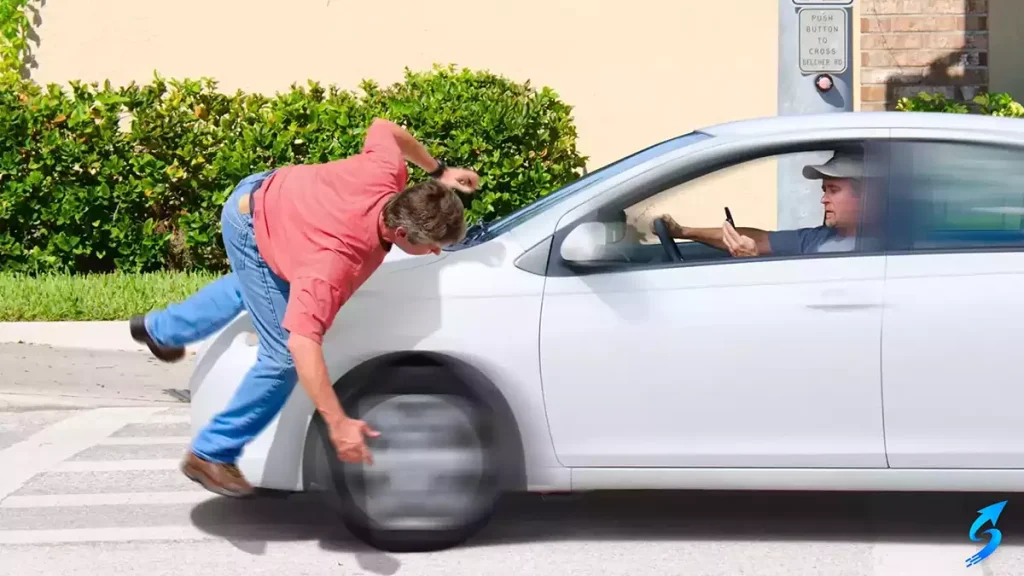
Hit and Run Accidents? A hit and run accidents can alter lives in a matter of seconds — yet many drivers and victims are uncertain about what the term means, what the legal consequences are, and what steps to take after such an incident. In this article, we explore the meaning of a “hit-and-run,” the legal obligations involved, the typical penalties, and how victims and drivers alike should respond.
What is a Hit-and-Run Accident?
In English-speaking jurisdictions, the phrase “hit-and-run” describes a scenario in which a driver is involved in a crash, collision or accident and then fails to stop to fulfil specific legal duties. These duties generally include: pausing at the scene (or as near as possible), identifying oneself to the other party (or parties), exchanging contact and insurance information, and rendering assistance or notifying authorities when required. Importantly, a driver may commit a hit-and-run offence even if they were not at fault for causing the accident simply by leaving the scene without satisfying the legal requirements.
Why It Matters
When a driver flees the scene of an accident, victims may be left vulnerable with medical costs, property damage and no immediate way to identify the responsible party. This impedes insurance claims and justice. According to legal commentary, every U.S. state has laws covering hit-and-run incidents, and such offences are treated more severely than many ordinary traffic violations.
Legal Duties After an Accident
While laws vary by jurisdiction, there are common obligations that drivers must respect after involvement in an accident. These may include:
- Stopping at the scene as soon as it is safe and remaining there until initial duties are met.
- Providing name, address, vehicle registration (and insurance/driver licence information) to the other party or law enforcement.
- Rendering reasonable assistance to any injured persons — e.g., calling or waiting for emergency services if needed.
Skipping any of the above can trigger a hit-and-run charge, even when the damage appears minor.
Penalties for Hit-and-Run
The severity of the penalty usually depends on what happened in the accident (property damage only vs. bodily injury vs. death). For example:
- In many U.S. states, leaving the scene when only vehicle damage occurred may be classified as a misdemeanor with fines or up to a year in jail.
- When injuries or deaths occur, charges escalate—sometimes to felony level—with multiple years of possible imprisonment and license suspensions.
- Insurance consequences are also severe: premiums can rise significantly, and policies may be voided when a hit-and-run is involved.
What Should Victims Do After a Hit-and-Run?
If you are a victim of a hit-and-run accident, consider the following:

Ensure your safety first — move to a safe location if possible.
- Call police/emergency services immediately. Provide as much detail as you remember about the fleeing vehicle (make, model, colour, licence plate if known).
- Document the scene — take photographs of your vehicle, any damage, the surrounding area, and any visible injuries.
- Collect witness contact information, if possible.
- Notify your insurance company promptly — many providers have specific protocols for hit-and-run claims.
- Seek medical attention, even if you feel fine at the moment — some injuries present themselves after a delay.
What Should a Driver Do If You Caused an Accident?
If you were the driver and you realise you left the scene after an accident, doing the following may help reduce legal risk:
- Return to the scene if safe and feasible — this may help show your intent was not to flee.
- Contact a qualified traffic/accident attorney — especially if injuries or property damage are significant.
- Avoid making self-incriminating statements, either to police or publicly.
- Cooperate with law enforcement and insurance processes.
Conclusion
Hit-and-run accidents are taken very seriously by legal systems across English-speaking countries because they undermine accountability on the roads and leave victims in difficult positions. Whether you’re a victim or a driver, knowing the legal obligations and correct responses can make a critical difference. Always stop, exchange information, assist if needed, and report the accident — failing to do so may turn a bad situation into a far worse legal problem.