
Introduction
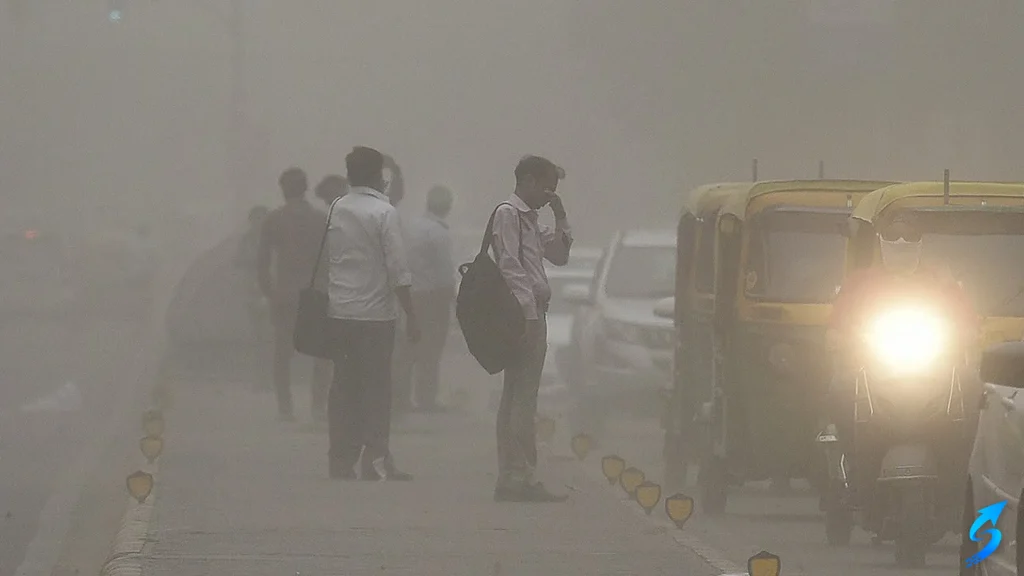
Dust removal from images and video is a branch of technology that, using image processing algorithms and artificial intelligence, eliminates dust and other pollutants present in images. These algorithms, by analyzing the image and detecting dust based on specific characteristics such as size, shape, color, and density, can separate the pollutants from the image and enhance its quality.
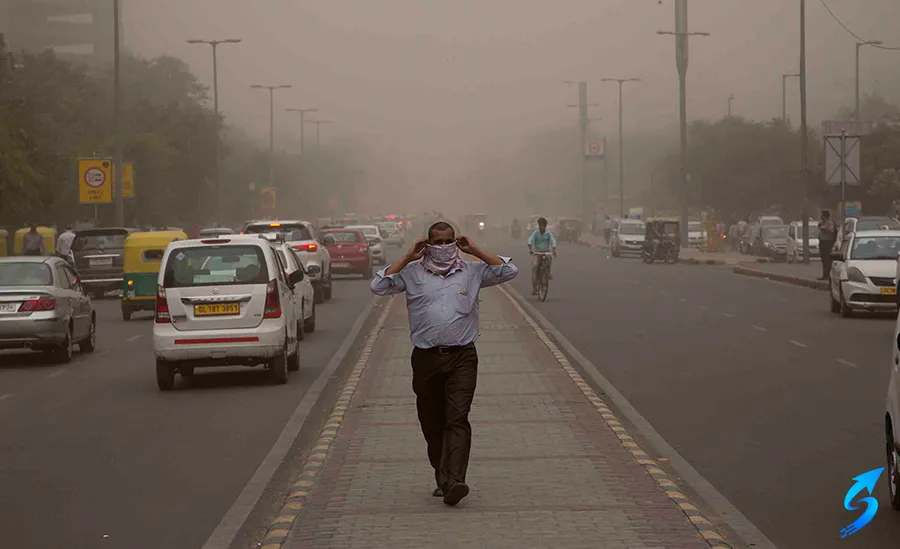
This technology can be applied to various types of images and videos, from satellite and aerial imagery to ordinary camera footage. Using this technology, images and videos can be cleaned from dust and pollutants, displaying a clearer and sharper result.
Considering the importance of maintaining air quality and preventing air pollution, the dust removal technology from images and video can help citizens and especially researchers to obtain better images and data about the air quality of a specific area, enabling them to take appropriate actions to control air pollution.
What is Dust Removal Technology from Images and Video?
Dust removal technology from images and video refers to the use of algorithms and software designed to remove dust present in images and videos. This technology is one of the advanced fields in image and video processing, used to enhance image and video quality by eliminating noise and unwanted particles.
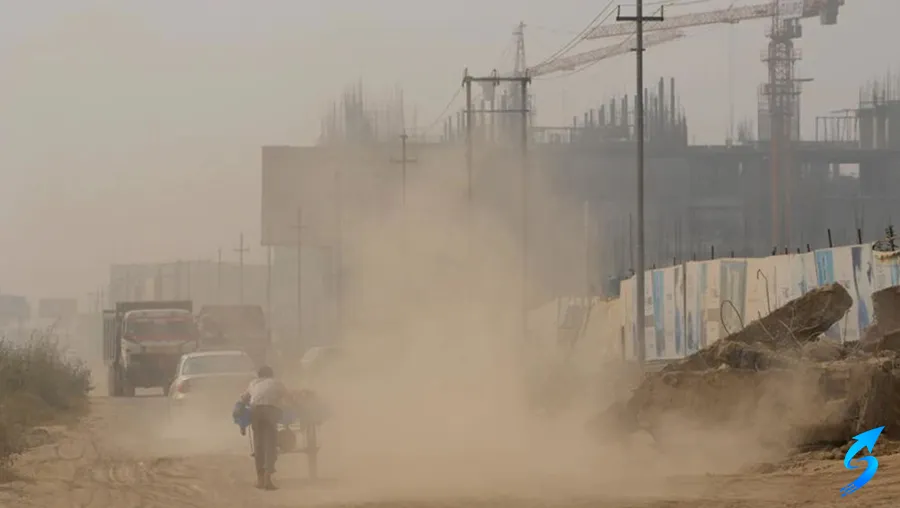
Dust removal technology, performed through advanced algorithms and machine learning, can detect and remove unwanted noise from visual content, resulting in a significant improvement in visual clarity and quality.
Various methods and techniques are employed for dust removal from images and video, including spatial filters, frequency filters, adaptive filters, model-based methods, deep learning methods, and hybrid techniques.
More read: The best software for reviewing CCTV footage
Applications of Dust Removal from Images and Video
Dust removal from images has diverse and wide-ranging applications. This technology not only improves visual content quality but also plays a significant role in technical and scientific advancements. Some of the most important applications of dust removal technology include:
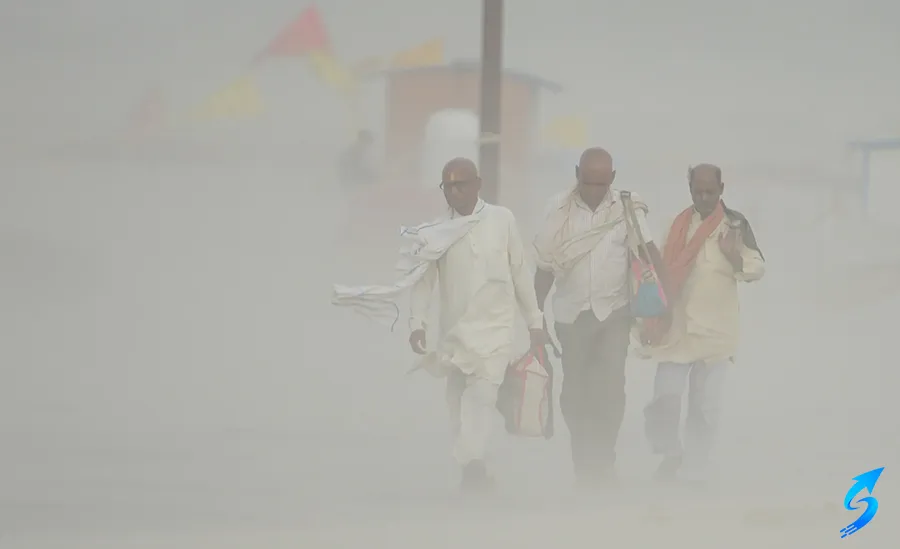
- Scientific and Industrial Research: Removing noise and pollutants for better management of environmental research and issues.
- Enhancement of Medical Images: Removing noise from MRI and CT scans for better diagnosis and treatment.
- Improvement of Video Quality: Eliminating noise from videos recorded under poor lighting conditions.
- Satellite Images: Removing dust and noise from satellite images for more accurate analysis.
- Security and Surveillance Footage: Using dust removal technology for accurate facial or license plate recognition.
Development of Dust Removal Technology from Images and Video
The development of dust removal technology from images and video in Iran is a significant step toward improving image and video quality. This technology, leveraging image processing and artificial intelligence, is capable of detecting and removing dust and pollutants from images and videos.
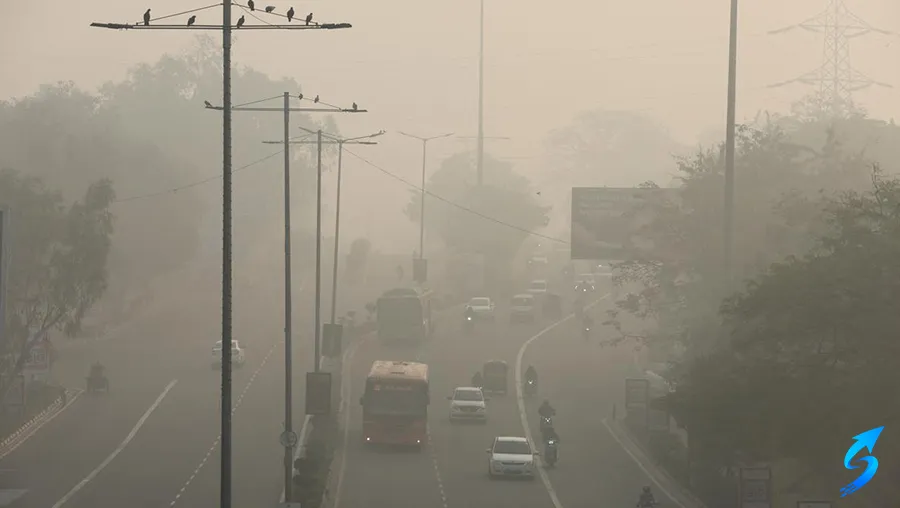
The widespread use of CCTV cameras on the one hand, and the climatic conditions of Iran and the increase in air pollution in many cities on the other hand, emphasize the need for dust removal technology more than ever. Utilizing dust removal technology can transform these systems’ images into reliable sources of information for analyzing crimes and violations, as well as managing weather conditions and environmental pollution.
SuperResolution is one of the best knowledge-based companies that has successfully implemented dust removal technology. The SuperResolution system is a pioneer in image processing and artificial intelligence, performing dust removal processes with high speed and quality using programmed algorithms.
FAQs
What is dust removal technology from images and video?
Dust removal is a branch of technology that, using image processing algorithms and artificial intelligence, removes dust and pollutants from images.
What are the applications of dust removal technology?
Satellite imagery, security and surveillance systems, and medical images are some of the most important areas where dust removal technology is applied.
What are the benefits of using dust removal technology?
Enhancing analysis accuracy, reducing the effects of air pollution, and increasing the usability of images are some of the benefits of dust removal technology.