

Introduction
In today’s digital world, Fake Images Detection has become a significant challenge for individuals and society. With the advancement of technology and image editing tools, creating images that closely resemble reality has become much easier.
The ability to create fake images can lead to the spread of misinformation, manipulation of public opinion, and even social crises. Therefore, detecting fake images has gained significant importance. Utilizing modern technologies such as artificial intelligence (AI) and neural networks to analyze and assess images to determine their authenticity plays a crucial role in tackling this challenge.
What Are Fake Images?
Fake images are deliberately altered or created in a way that makes them appear real. These images can be generated using photo editing tools like Photoshop or more advanced technologies such as artificial intelligence and deep learning.
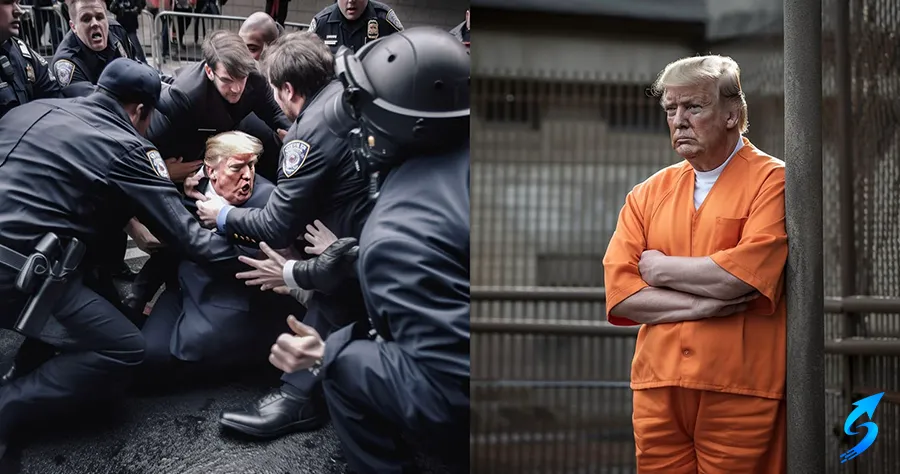
Fake Images Detection refers to identifying digitally modified or fabricated visuals designed to alter or distort the reality they depict. These types of images can be produced through various techniques, including editing photos with software like Photoshop or completely generating them using AI tools and deep learning models such as Generative Adversarial Networks (GANs).
Why Are Fake Images Created?
Fake images are created for a variety of purposes. Here are some of the main objectives:
- Photo Editing Tools: Software like Photoshop enables users to modify or combine parts of images as desired. Examples include changing backgrounds or adding individuals to a scene.
- AI-Generated Synthetic Content: Technologies like deep fakes use deep learning and neural networks to create synthetic faces or voices that can easily be mistaken for reality.
- Recreation and Creativity: Sometimes, people create humorous or artistic images purely for entertainment or creative expression.
- Marketing and Advertising: Optimized and appealing visuals are often used to capture customer attention in advertising campaigns.
Legal Implications of Creating and Sharing Fake Images
Across jurisdictions, laws emphasize the critical role of Fake Images Detection tools in identifying offenders and verifying the authenticity of content. While penalties vary by country, the overarching goal remains the same: to protect individuals from harm, prevent misuse of digital media, and ensure public trust in online platforms.
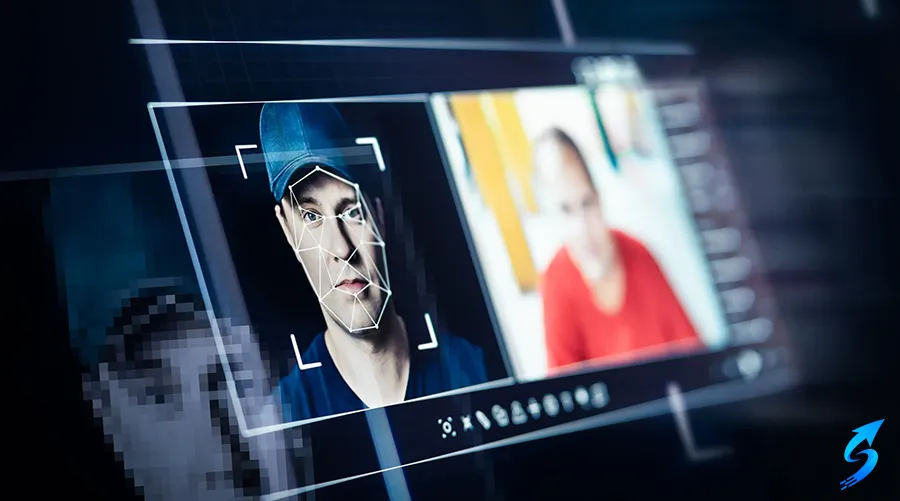
Under cybercrime regulations, Fake Images Detection plays a vital role in identifying and addressing individuals involved in producing or distributing such content. Offenders can face penalties, including imprisonment and monetary fines. These laws aim to preserve public security and trust while preventing potential abuses. Overall, Iran’s legal framework is dedicated to creating a safer online environment.
Legal Framework in the United States
In the United States, laws regarding fake images fall under various categories, including defamation, intellectual property, and cybercrime laws. Specific statutes like the Defamation Law allow victims of fake images that damage their reputation to seek legal recourse. Similarly, Revenge Porn Laws criminalize the non-consensual distribution of manipulated private images. Moreover, the Federal Trade Commission (FTC) prohibits deceptive practices, which could include the use of fake images in false advertising or fraud. In extreme cases, such as deepfakes used for election interference, federal and state governments may impose severe penalties, including imprisonment and hefty fines.
The DEEPFAKES Accountability Act, introduced in recent years, focuses specifically on the misuse of manipulated media and aims to increase transparency regarding AI-generated content. It also provides strict guidelines to ensure that fake content does not infringe upon individual rights or public trust.
Legal Framework in India
India addresses fake images under laws such as the Information Technology Act, 2000 (IT Act) and Indian Penal Code (IPC). Section 66D of the IT Act penalizes individuals involved in identity fraud or deception through fake images. Similarly, Section 499 and 500 of the IPC address defamation caused by distributing manipulated images.
India also enforces Section 67 of the IT Act, which criminalizes the publication or transmission of obscene content, including fake images created to harm an individual’s reputation or privacy. Penalties under these provisions can range from imprisonment for up to three years to fines. Additionally, recent amendments to Indian laws now include specific regulations addressing deepfakes and the misuse of AI-generated images in political and social contexts.
Detecting Fake Images Using AI and Image Processing
Detecting fake images can be achieved by identifying signs like inconsistencies in shadows, impossible angles, or unnatural details. Additionally, tools and services are available to assist in identifying fake visuals.
Here are some techniques and methods for detecting fake images with AI and image processing:
- Anomaly Detection: Identifying irregularities or unusual patterns in images can indicate editing or compositing. Machine learning algorithms such as Random Forest and Support Vector Machines are useful for detecting these anomalies.
- Convolutional Neural Networks (CNNs): These networks are highly effective in image analysis. By learning specific features in real images and comparing them with suspicious ones, they can identify fake content.
- Metadata Analysis: Digital images often include metadata, such as the date and location of capture and camera settings. Alterations in this data can signal editing.
- Classical Image Processing Algorithms: These include edge detection algorithms and those that identify inconsistent lighting or shadows.
- Deep Fakes: Advanced neural networks can detect subtle pixel-level inconsistencies characteristic of fake videos created using deep fake techniques.
- Pattern Recognition with Deep Learning: Deep learning algorithms can analyze images to reveal patterns of artificial creation or modification.
Best Tools for Fake Images Detection
Using online tools to verify the authenticity of images is an effective approach. Here are three reliable platforms for detecting fake images:
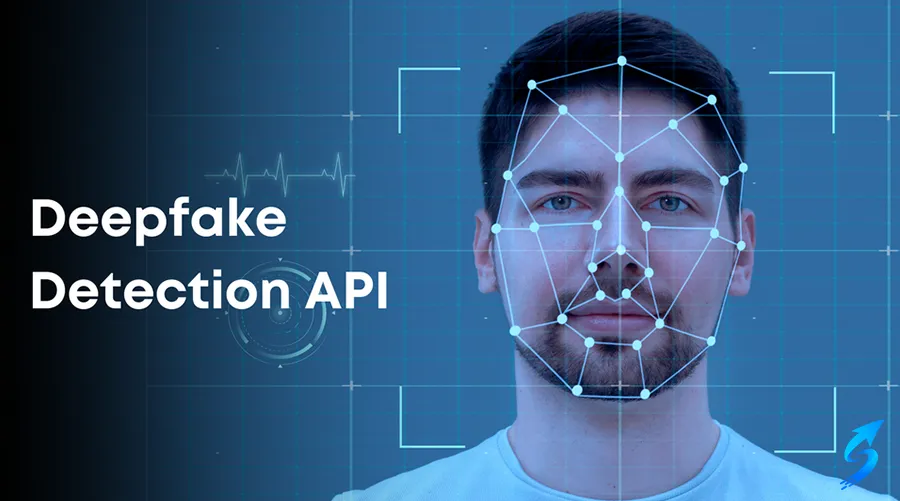
Using online tools to verify the authenticity of images is an effective approach. Here are three additional reliable platforms for detecting fake images:
- TinEye: A reverse image search engine that scans the web for similar images by uploading a file or pasting a URL. It provides information on the source and possible modifications of the image.
- FotoForensics: This platform uses various algorithms to detect potential edits and anomalies in images. The analysis results include heatmaps highlighting areas with significant details, like shadows and edges.
- Izitru: An online platform that evaluates the authenticity of digital images using six tests, including metadata checks and technical analysis, to determine whether an image has been significantly edited.
- Forensically: A free online image forensic tool that offers error-level analysis, clone detection, and noise analysis. These features help identify manipulated areas within an image, making it a powerful resource for detailed investigations.
- JPEGsnoop: A desktop application that analyzes JPEG and RAW image formats. It examines metadata, compression artifacts, and encoding details to uncover signs of tampering or editing in digital photos.
- Hany Farid’s Photo Forensics: Created by a leading expert in digital forensics, this advanced tool uses sophisticated algorithms to identify inconsistencies in lighting, shadows, and reflections, which may indicate that an image has been altered.
Conclusion
Fake images are increasingly prevalent, raising serious concerns about the accuracy of information. Detecting fake images requires not only advanced editing techniques but also analytical and critical thinking skills.
Research organizations and technology developers are actively investing in Fake Images Detection solutions by creating AI and machine learning tools. These tools analyze visual features of images in-depth, identifying manipulation signs with high accuracy. Their development represents a crucial step toward combating misinformation and ensuring digital content authenticity.