

Introduction
The Face Recognition Attendance System is rapidly becoming the preferred choice for tracking attendance in workplaces, schools, and government institutions. Unlike traditional systems that rely on cards or fingerprints, this advanced solution uses artificial intelligence to recognize faces and log attendance automatically. With the rise of contactless technologies and a greater focus on efficiency, face recognition offers a fast, secure, and highly accurate alternative.

What Is a Face Recognition Attendance System?
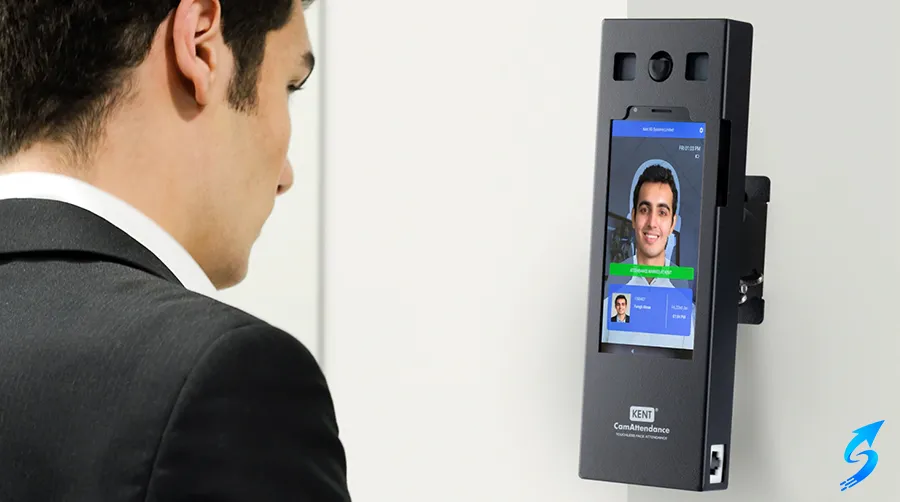
A Face Recognition Attendance System is a biometric technology that identifies individuals based on their facial features. It captures an image of a person’s face, compares it with a pre-registered database, and records the time and date when the match is confirmed.
How It Works
- Image Capture: A camera scans the user’s face.
- Feature Extraction: The system analyzes facial landmarks.
- Matching Process: The face is compared to stored templates.
- Logging: If matched, attendance is marked with timestamp accuracy.
Benefits of Using a Face Recognition Attendance System
Implementing a Face Recognition Attendance System offers numerous benefits for organizations of all sizes. It significantly improves attendance accuracy and reduces administrative burden by automating the entire process. Unlike manual logs or card-based systems, it eliminates errors caused by human input and prevents issues like buddy punching or proxy attendance.

This system ensures each check-in is tied directly to an individual’s unique facial features, making manipulation almost impossible. Furthermore, the contactless nature of this solution aligns with modern hygiene standards, especially in post-pandemic workplaces, making it both secure and health-conscious.
1. Contactless and Hygienic
No need to touch any device. This is a major advantage in a post-pandemic world.
2. Fast and Accurate
Recognition takes less than a second, and the error rate is very low compared to manual or fingerprint systems.
3. Eliminates Buddy Punching
Since faces are unique and can’t be shared, this method prevents time fraud.
4. Real-Time Reports
Managers can access real-time dashboards and reports, helping with payroll and HR decisions.
Face Recognition Attendance System vs Traditional Methods
Compared to traditional attendance methods such as paper logs, punch cards, or even fingerprint scanners, the Face Recognition Attendance System delivers a smarter, more secure, and efficient alternative. Traditional systems often suffer from issues like forgotten cards, shared IDs, or unhygienic touchpoints. In contrast, facial recognition offers instant verification without physical contact, faster processing, and better fraud prevention. It’s especially valuable in large organizations where manually managing attendance records can be time-consuming and error-prone.
| Feature | Traditional Systems | Face Recognition |
|---|---|---|
| Touch Required | Yes | No |
| Speed | Moderate | High |
| Security | Medium | High |
| Maintenance | Frequent | Low |
| Fraud Protection | Weak | Strong |
Challenges and Limitations
Despite its many advantages, the Face Recognition Attendance System is not without challenges. One of the primary concerns is data privacy. Since facial recognition relies on biometric data, organizations must ensure that this sensitive information is securely stored, encrypted, and only accessible to authorized personnel. Another limitation is environmental sensitivity—factors like poor lighting, face masks, or rapid movement can affect accuracy.

Moreover, some individuals may feel uncomfortable being constantly monitored, raising ethical concerns. There’s also the financial aspect: while prices have dropped in recent years, the initial cost of deploying such a system can still be high, particularly for small businesses or schools with limited budgets. These challenges highlight the need for thoughtful planning and responsible implementation.
While the Face Recognition Attendance System offers many benefits, it’s important to consider the challenges:
- Lighting Conditions: Poor lighting may reduce accuracy.
- Privacy Concerns: Storing biometric data requires strong data protection policies.
- Initial Cost: The setup cost may be higher than traditional systems.
Privacy and Legal Compliance
Implementing a Face Recognition Attendance System requires strict data handling practices. Compliance with regulations like GDPR or CCPA is critical. Users must be informed and provide consent before their data is collected.
Popular Use Cases
- Corporate Offices: Seamless employee check-ins and outs.
- Educational Institutions: Monitors student attendance without manual effort.
- Healthcare Facilities: Ensures accurate shift tracking for medical staff.
- Construction Sites: Tracks labor force attendance in real-time.
The Future of Face Recognition Attendance Systems
The future of the Face Recognition Attendance System is deeply tied to the evolution of AI and biometric technologies. As deep learning models become more sophisticated, facial recognition systems will offer even higher accuracy and adaptability under diverse conditions, including low light or partial occlusion. The integration of cloud computing will enable real-time syncing across multiple locations and devices, making these systems scalable for enterprises with remote teams or global offices.
more read: Comparing Traditional and Modern Methods in Forensic Image Enhancement
Additionally, mobile-based facial recognition apps will allow employees to clock in from field locations while maintaining data integrity. From a security standpoint, blockchain technology might also be introduced to maintain transparent and tamper-proof attendance logs. As the technology matures, we can expect broader adoption in sectors like education, healthcare, and government, where accurate and reliable attendance tracking is essential.
As AI continues to evolve, Face Recognition Attendance Systems are becoming smarter and more adaptable. Future trends include:
- Cloud-based attendance systems
- Mobile face recognition apps
- Integration with access control and temperature checks
Conclusion
The Face Recognition Attendance System is not just a trend—it’s the future of attendance management. It offers speed, accuracy, and a user-friendly experience while minimizing risks of fraud and manual errors. As businesses seek smarter solutions, adopting face recognition technology can lead to improved productivity and accountability.
The Face Recognition Attendance System represents a significant leap forward in attendance management. It offers a blend of automation, security, and convenience that traditional systems struggle to match. While challenges like privacy and cost need to be addressed, the overall benefits—such as fraud prevention, real-time tracking, and hygienic operation—make it a compelling choice for modern organizations. As technology continues to advance, this system will only get smarter and more accessible. Organizations that adopt it early stand to gain not only in operational efficiency but also in creating a more transparent and accountable work environment.