

Comparing Traditional and Modern Methods in Forensic Image Enhancement
In the field of Forensic Image and Video Enhancement, the comparing Traditional and Modern Methods in Forensic Image Enhancement reveals significant advancements in image processing for criminal investigations. Traditional methods rely on manual adjustments and basic image-processing algorithms, while modern techniques leverage artificial intelligence (AI) and machine learning to deliver more precise and detailed results. The use of Super Resolution technology has emerged as a groundbreaking advancement, enabling forensic experts to restore and enhance low-quality visual evidence with unprecedented clarity and accuracy.
Traditional Methods in Forensic Image Enhancement
Traditional forensic image enhancement methods include basic image processing techniques such as:
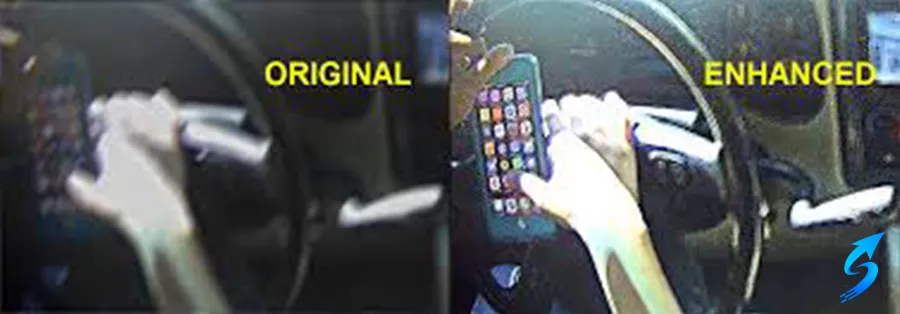
- Contrast Adjustment: Enhancing the difference between light and dark areas to reveal obscured details.
- Noise Reduction: Minimizing random pixel variations to clarify blurred or grainy images.
- Edge Detection: Identifying the boundaries of objects within an image to enhance clarity.
These methods, while useful, are often limited by their inability to recover lost details or accurately reconstruct heavily degraded images. Traditional approaches are time-consuming and rely heavily on the expertise of forensic analysts. Additionally, manual methods are prone to human error, and the quality of enhancement largely depends on the skill level of the analyst.
Another limitation of traditional methods in forensic image enhancement is their dependence on predefined algorithms that may not adapt well to complex or unique cases. For instance, images with severe noise or motion blur often resist improvement through basic enhancement techniques. Furthermore, manual adjustments lack the reproducibility of automated systems, making it challenging to apply consistent processes across different cases.
Modern Methods in Forensic Image Enhancement
Modern forensic image enhancement techniques incorporate advanced technologies like AI and deep learning, offering improved accuracy and efficiency. Key modern methods include:
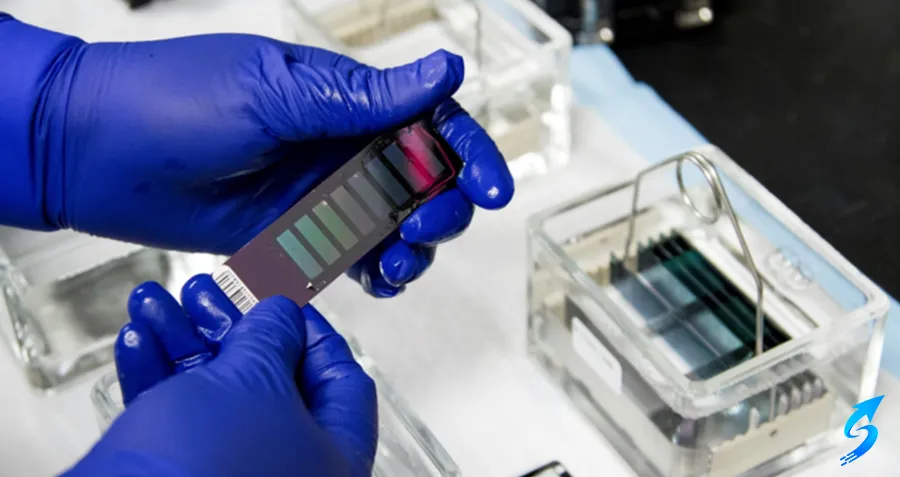
- Super Resolution: Using deep learning models to upscale low-quality images and reveal finer details.
- Neural Networks: Analyzing complex patterns to reconstruct missing portions of an image.
- Automated Feature Extraction: Identifying and enhancing critical image features without manual intervention.
- Image Deblurring: Using advanced algorithms to reverse motion blur and improve clarity.
These innovative approaches significantly outperform traditional methods by providing faster processing times, higher accuracy, and the ability to restore severely degraded images. In particular, Super Resolution technology plays a crucial role in enhancing low-quality forensic evidence, making it more reliable in court proceedings. Modern tools can analyze patterns undetectable to the human eye, offering deeper insights and more reliable reconstructions.
Modern methods in forensic image enhancement also benefit from continuous learning capabilities. AI-based systems improve over time by analyzing vast datasets, enabling more precise identification and correction of anomalies. This adaptive nature allows modern techniques to handle diverse image types and conditions more effectively than static traditional methods.
Advantages of Modern Techniques Over Traditional Methods
- Accuracy: AI-driven methods provide superior accuracy in identifying subtle image details.
- Efficiency: Automated systems reduce the time required for image analysis and enhancement.
- Scalability: Modern techniques can process large datasets more effectively.
- Consistency: AI systems apply uniform enhancement methods, reducing human bias and variability.

The accuracy of modern methods in forensic image enhancement also extends to detecting manipulation and tampering. By analyzing image artifacts and inconsistencies, AI-powered tools can identify areas that may have been digitally altered, ensuring the authenticity of visual evidence presented in legal contexts.
Challenges in Forensic Image and Video Enhancement
Despite their advantages, modern methods also face challenges, such as:
- Data Integrity: Ensuring that enhancements do not alter the original evidence. Forensic experts must strike a balance between improving image clarity and preserving the authenticity of visual data. Any modification must be carefully documented to maintain the evidence’s admissibility in court.
- Complexity: Implementing AI-based systems requires advanced technical knowledge. Forensic teams must invest in training and developing expertise to effectively operate and interpret results from sophisticated image enhancement tools. The complexity of these systems may also introduce challenges in explaining enhancement processes during legal proceedings.
- Validation: Verifying the authenticity of enhanced images is critical in legal contexts. Courts require robust validation methods to confirm that enhancements reflect true representations of the original data. This involves cross-checking results through multiple techniques and maintaining comprehensive documentation.
- Cost: Advanced tools and technologies require significant investment in both hardware and software. High-performance computing resources and specialized forensic software can be expensive, posing financial challenges for smaller forensic laboratories or law enforcement agencies. Additionally, maintaining and updating these systems involves ongoing costs that can strain operational budgets.
Integrating Traditional and Modern Approaches
Rather than viewing them as mutually exclusive, forensic experts often integrate traditional and modern methods in forensic image enhancement to achieve optimal results. Traditional techniques provide foundational analysis and quick assessments, while modern approaches deliver deeper insights and enhanced image reconstruction. Combining both methods ensures a comprehensive and balanced approach to forensic image enhancement.
For example, an investigation may begin with traditional noise reduction and contrast adjustments to provide an initial assessment. If further enhancement is required, AI-driven methods like Super Resolution can then be applied to extract finer details without compromising the original image’s integrity. This hybrid approach maximizes the strengths of both methodologies.
The Future of Forensic Image Enhancement
The future of forensic image and video enhancement lies in further advancements in AI, improving both speed and precision. Techniques like Super Resolution will continue to evolve, enabling investigators to extract more information from limited visual data. Blockchain technology may also play a role in maintaining a verifiable chain of custody for enhanced evidence, further ensuring its admissibility in court. Combining traditional and modern approaches ensures comprehensive analysis and robust evidence presentation.
By integrating these advanced methodologies, forensic professionals can enhance the credibility of visual evidence, ultimately aiding in the pursuit of justice. The continuous improvement of Forensic Image and Video Enhancement technologies promises a future where even the most compromised visual evidence can be restored and utilized effectively.
Conclusion
In summary, the comparison between traditional and modern methods in forensic image enhancement highlights the transformative impact of advanced technologies like AI and Super Resolution. While traditional methods remain valuable for basic analysis, modern techniques offer superior accuracy, efficiency, and the ability to restore severely degraded images. By combining these approaches, forensic experts can deliver more reliable visual evidence, strengthening legal cases and ensuring the integrity of criminal investigations. As technology continues to evolve, the future of forensic image enhancement promises even greater precision and effectiveness in uncovering the truth.