

Forensic Fingerprint Analysis: A Cornerstone of Criminal Investigation
Forensic Fingerprint Analysis is one of the most reliable and widely used techniques in criminal investigations. By examining the unique ridge patterns found on human fingers, forensic experts can identify individuals with high accuracy. This method has been a cornerstone of forensic science for more than a century, and it continues to evolve with advances in technology.
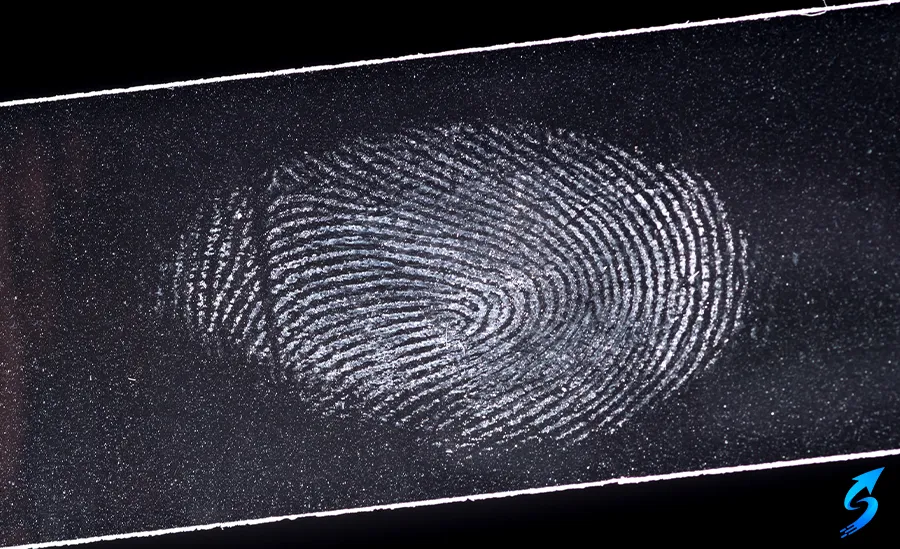
The Science Behind Fingerprints
Each person’s fingerprints are unique, even among identical twins. These patterns form before birth and remain unchanged throughout a person’s life. The patterns loops, whorls, and arches along with minutiae points such as bifurcations and ridge endings, make fingerprints an ideal biometric for individual identification.
Forensic fingerprint analysis involves comparing fingerprints collected from a crime scene (latent prints) to known prints from suspects or databases. Examiners use visual and computerized methods to match the minute details of the ridges.
Types of Fingerprints in Forensic Work
There are three main types of fingerprints encountered in forensic analysis:
-
Latent Prints: Invisible to the naked eye, found on surfaces like glass, paper, or metal. They are revealed using powders, chemicals, or alternate light sources.
-
Patent Prints: Visible prints left by a substance like blood, ink, or dirt.
-
Plastic Prints: Impressions left on soft materials like wax, clay, or soap.
Each type requires different methods for collection and analysis.
Methods of Collection and Enhancement
Crime scene investigators use various techniques to lift fingerprints:
-
Powder Dusting: Commonly used for non-porous surfaces.
-
Cyanoacrylate Fuming: A chemical method that develops prints on plastic, metal, or glass.
-
Ninhydrin and DFO: Used on porous surfaces like paper to develop latent prints.
Once collected, the prints are photographed and analyzed either manually or using digital systems.
Automated Fingerprint Identification Systems (AFIS)
One of the most important developments in forensic fingerprint analysis is the Automated Fingerprint Identification System (AFIS). These computerized systems store millions of fingerprint records and can quickly compare a new print against the database. AFIS significantly reduces the time required to identify suspects and helps solve cold cases.

Role in Criminal Investigations
Fingerprint evidence is often crucial in criminal cases. It can:
-
Place a suspect at the scene
-
Confirm or disprove alibis
-
Link multiple crimes committed by the same person
-
Exonerate innocent individuals
In court, fingerprint evidence is considered highly reliable when collected and analyzed properly. It often serves as key evidence in trials involving theft, assault, and even homicide.
Challenges in Fingerprint Analysis
While highly reliable, fingerprint analysis is not without challenges:
-
Quality of Prints: Partial or smudged prints may be difficult to analyze.
-
Human Error: Subjective interpretation can lead to misidentification.
-
Contamination: Poor handling can damage or destroy evidence.
To address these issues, forensic labs follow strict protocols, and many use verification by a second examiner.
Advances in Forensic Fingerprint Analysis Technology
Modern forensic science continues to innovate. Some notable advancements include:
-
Live Scan Devices: Capture digital prints instantly and with high accuracy.
-
3D Fingerprint Imaging: Reveals ridge depth and pressure patterns.
-
AI in Fingerprint Matching: Machine learning algorithms improve matching speed and reduce false positives.
These technologies are transforming how quickly and accurately fingerprint analysis is conducted.
Forensic Fingerprint Analysis in Non-Criminal Contexts
Beyond criminal investigations, fingerprint analysis is used in:
-
Border security and immigration
-
Employee background checks
-
Biometric authentication for mobile devices and banking
-
Identification in disaster victim recovery
Its applications are vast and growing in both forensic and everyday use.
Famous Cases Solved with Fingerprint Evidence
Many historical cases have been cracked using fingerprints:

-
The 1902 case of Harry Jackson in the UK marked one of the first convictions based on fingerprints.
-
The 1978 capture of serial killer Richard Ramirez (the Night Stalker) in Los Angeles was aided by a fingerprint found on a car mirror.
-
The Madrid train bombings case of 2004 raised questions about fingerprint reliability, eventually emphasizing the importance of proper analysis and verification.
Read more: Super Resolution enhancement in Security
Conclusion
Forensic Fingerprint Analysis remains a vital part of modern criminal investigations. As technology advances, this method becomes faster, more accurate, and more integrated with digital tools and databases. Despite occasional challenges, its value in identifying suspects, solving crimes, and even preventing miscarriages of justice is unmatched.
As society becomes increasingly digitized, the role of biometrics particularly fingerprints will only grow. Whether you’re a forensic professional, law enforcement officer, or simply a curious reader, understanding how fingerprint analysis works offers insight into one of the most fascinating tools in modern justice.