
Proving a Crime with CCTV Footage
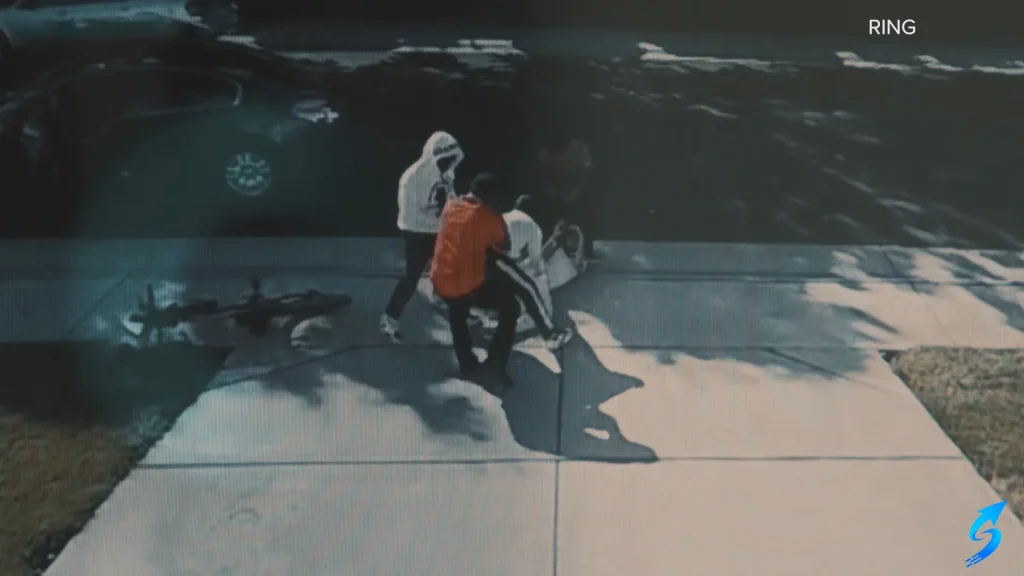
In the realm of modern security, proving a crime with CCTV footage has become a vital tool for law enforcement and judicial systems. Surveillance cameras are now almost everywhere — from retail stores and public streets to schools and private residences. These recordings often serve as silent witnesses, capturing crucial moments that can lead to arrests, convictions, or even exoneration.
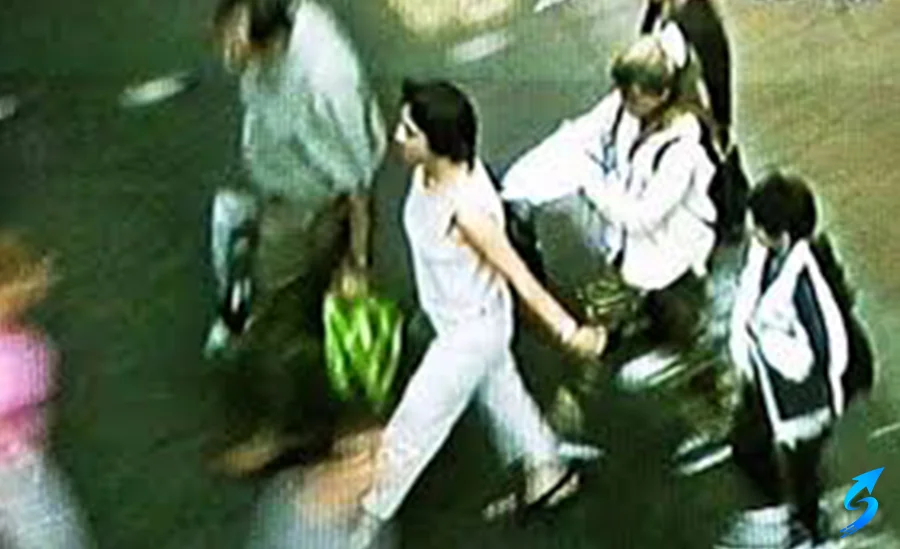
However, the effectiveness of CCTV footage heavily depends on image quality. Blurry, pixelated, or low-resolution videos can fail to reveal essential details such as facial features, license plates, or even the exact sequence of events. This is where advanced technologies like AI-powered Super Resolution step in, transforming grainy clips into sharper, more actionable evidence.
The Role of CCTV in Crime Investigation
CCTV footage offers several benefits in criminal investigations:
- Unbiased evidence: Cameras record events without personal interpretation or bias.
- Real-time monitoring: Authorities can track ongoing crimes or threats.
- Historical records: Archived footage can support long-term investigations or reveal patterns in repeat offenses.
Many successful criminal cases have relied on CCTV as the central piece of evidence, linking suspects to crime scenes, confirming timelines, or discrediting false alibis.
However, not all footage is crystal clear. Many surveillance systems are outdated or record in low resolution to save storage space. Lighting conditions, weather, camera angles, and distance further complicate the clarity of the visual evidence.
Common Challenges with CCTV Footage
Despite its potential, CCTV evidence comes with hurdles:
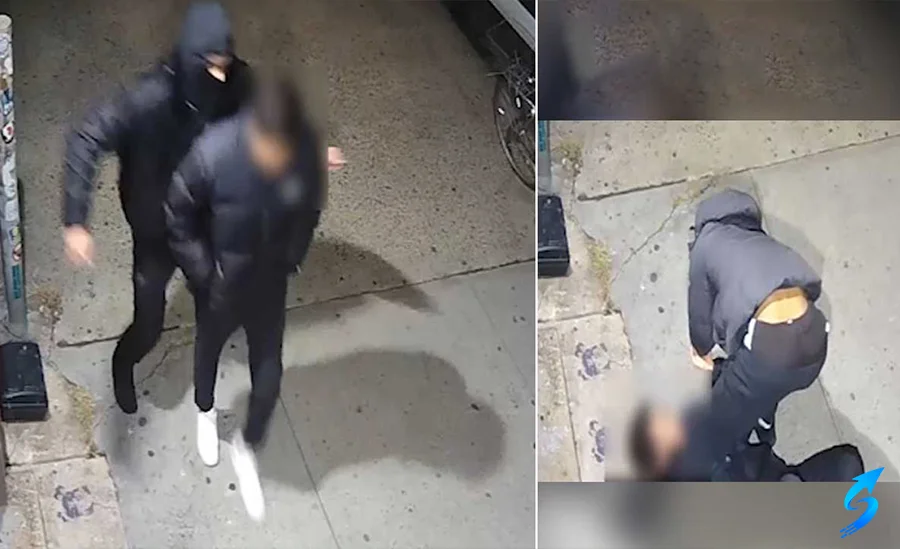
- Blurry images: Fast movement, distance from the camera, or poor focus leads to image blur.
- Low resolution: Older systems often record in 240p or 480p — too pixelated for facial identification.
- Compression artifacts: Footage is often compressed, introducing digital noise and reducing quality.
- Nighttime conditions: Poor lighting or infrared recording can distort colors and shapes.
Such limitations can cast doubt on the validity of video evidence, especially in courtrooms where the burden of proof is high. If a suspect’s face or actions cannot be clearly seen, the footage may be dismissed as inconclusive.
How Super Resolution Enhances CCTV Footage
Super Resolution is a cutting-edge technique that improves image quality by reconstructing high-resolution images from low-resolution inputs. Using AI and deep learning models, Super Resolution enhances:
- Facial features: Turning blurry or pixelated faces into more recognizable identities.
- License plate details: Making numbers readable, even from low-quality frames.
- Environmental context: Revealing scene details like objects, tattoos, or weapon shapes.
By analyzing multiple frames of a video, AI models can estimate missing pixels, reduce noise, and sharpen edges. This not only improves the visual appeal but more importantly — increases the evidentiary value of the footage.
Example Use Case:
Imagine a robbery where the criminal’s face is partially visible on a store’s outdated camera. The original footage might show only a vague silhouette. Applying Super Resolution can enhance that frame enough to identify the suspect with a high degree of certainty — helping investigators match it with mugshots or use facial recognition systems.
Facial Reconstruction and Suspect Identification
In some cases, it’s not just about enhancing clarity — it’s about reconstructing a face from poor-quality imagery. Using AI-based tools, forensic experts can now:
- Generate clearer facial composites
- Match enhanced footage with facial recognition databases
- Support eyewitness accounts with visual evidence
This process is especially useful when the suspect is unknown and authorities need to broadcast an image to the public or compare it against a national criminal database.
Legal Validity and Courtroom Use
Courts are increasingly accepting enhanced CCTV footage, especially when the process is documented and validated by forensic imaging professionals. For a video to be admissible:
- The enhancement process must not alter the original content’s meaning.
- The chain of custody and technical steps must be recorded.
- Expert witnesses may be called to explain how Super Resolution was applied.
AI-enhanced evidence, when responsibly handled, can strengthen a case and support convictions based on clearer visuals.
Famous Cases Where CCTV Footage Made a Difference
Numerous high-profile cases have been solved thanks to surveillance footage:
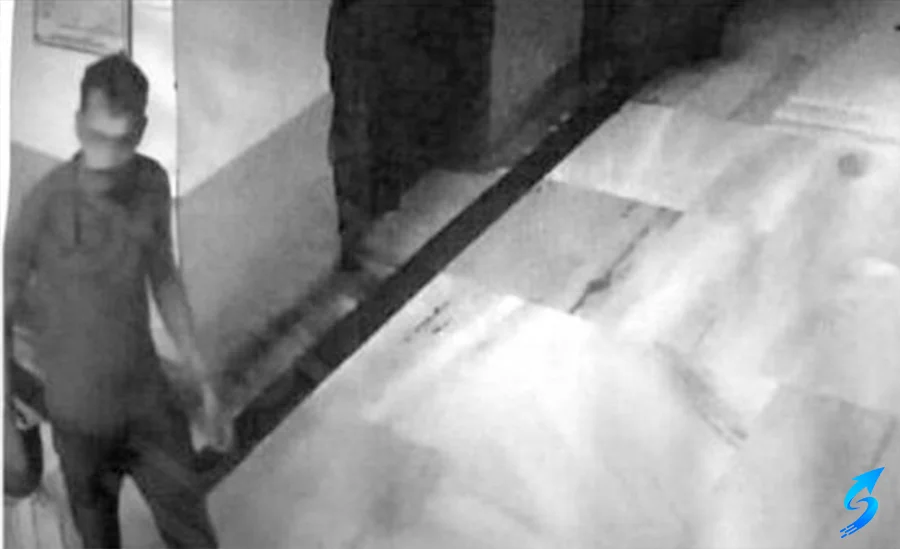
- London bombings (2005): CCTV helped track suspects across the transit system.
- Boston Marathon Bombing (2013): Footage from nearby stores led to the identification of the attackers.
- Various robbery and assault cases where Super Resolution helped enhance low-quality clips into usable images.
As surveillance systems become more widespread, and enhancement tools more powerful, their combined role in solving crimes will only increase.
Real-World Applications Beyond Crime
The power of Super Resolution extends beyond criminal justice:
- Smart Cities: Enhancing urban surveillance for traffic and public safety.
- Transportation hubs: Identifying suspicious behavior in airports and train stations.
- Retail: Preventing shoplifting and resolving disputes with customers.
- Border control and immigration: Matching faces against official records.
Any domain where identity verification is key stands to benefit from clearer, more reliable video data.
Read more: Crime Scene Image Authentication: Detecting Tampered Evidence
Conclusion
Proving a crime with CCTV footage is no longer limited by low image quality. Thanks to AI-driven Super Resolution, even the blurriest videos can now offer critical details, turning uncertain visuals into solid evidence. Whether used for facial recognition, object tracking, or reconstructing events, this technology is reshaping how justice is served in the digital age.
At SuperResolution, we specialize in turning ordinary footage into extraordinary clarity. Whether you’re a private investigator, law enforcement officer, or legal professional — our tools empower you to uncover the truth hidden in every pixel.