
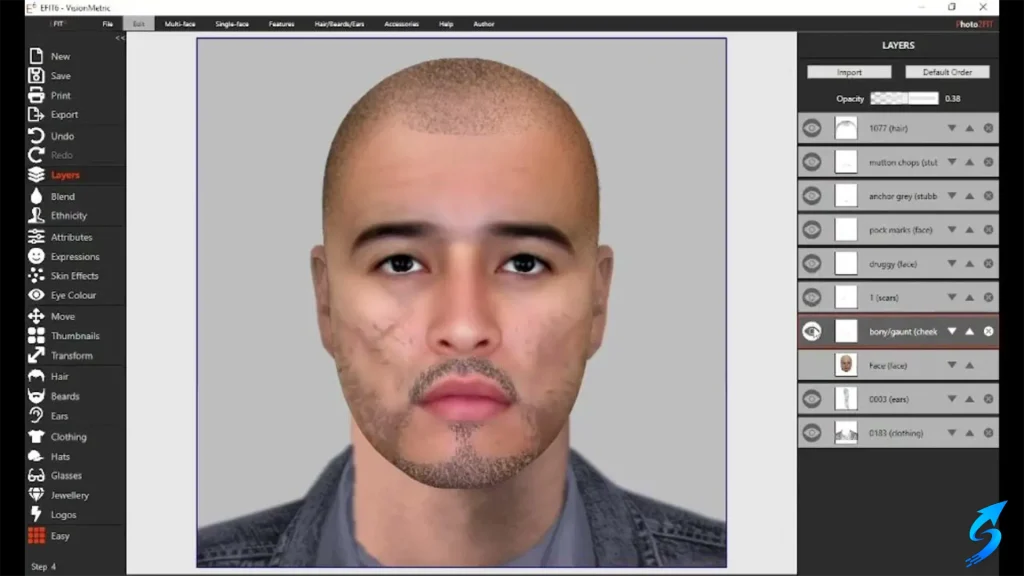
In today’s rapidly advancing technological world, reconstructing the face of a criminal has become one of the essential tools in crime detection and identity verification. This process, which combines art, science, and advanced imaging technologies, aids law enforcement and judicial authorities in producing realistic depictions of suspects in various cases. In this article, we will explore the full process of criminal face reconstruction, its applications, significance, and the challenges involved.
What is Criminal Face Reconstruction?
Criminal face reconstruction is a process in which a suspect’s face is recreated using available data such as witness descriptions, CCTV footage, or biometric analysis. This can be done manually by professional forensic sketch artists or digitally using software and artificial intelligence technologies. The main goal of criminal face reconstruction is to create an image that can assist in identifying and apprehending the suspect.
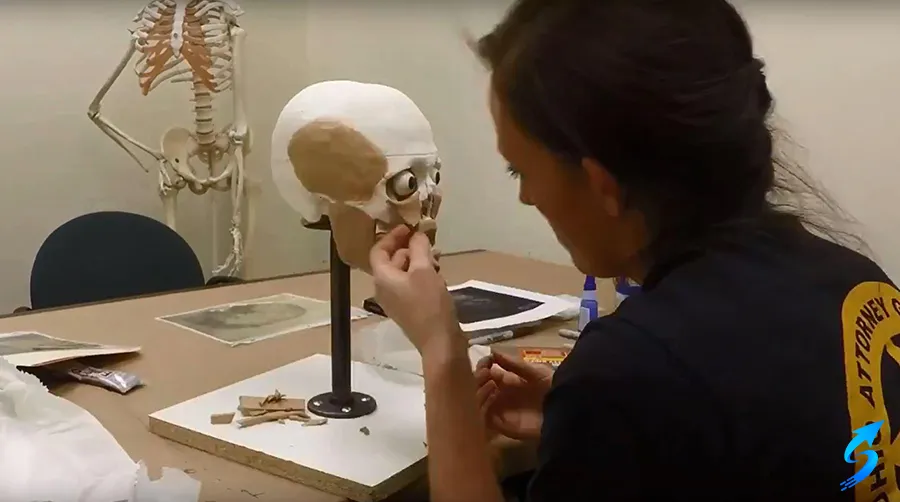
Reconstructing the Face of a Criminal plays a crucial role in modern law enforcement by bridging the gap between limited evidence and actionable leads. Whether the original visual data is incomplete, blurry, or compromised, advanced reconstruction techniques help generate a recognizable facial image. This image can be distributed to the public or cross-referenced with criminal databases, significantly increasing the chances of identifying the suspect and preventing further crimes.
Technologies Used in Criminal Face Reconstruction
Today, reconstructing a criminal’s face is carried out using advanced technologies such as artificial intelligence, machine learning, 3D modeling software, and biometric data analysis. These technologies are capable of recreating facial images even when there are changes in appearance, age progression, or the use of disguises. The use of modern technologies has significantly enhanced both the accuracy and speed of the criminal face reconstruction process.
Importance of Criminal Face Reconstruction in Criminal Investigations
Facial reconstruction plays a crucial role in criminal investigations. It assists police and security forces when clear images or accurate information about a criminal are unavailable, enabling them to create a simulated image based on witness testimonies or other available data. This helps both civilians and law enforcement officers to identify suspects more quickly, potentially preventing further crimes.
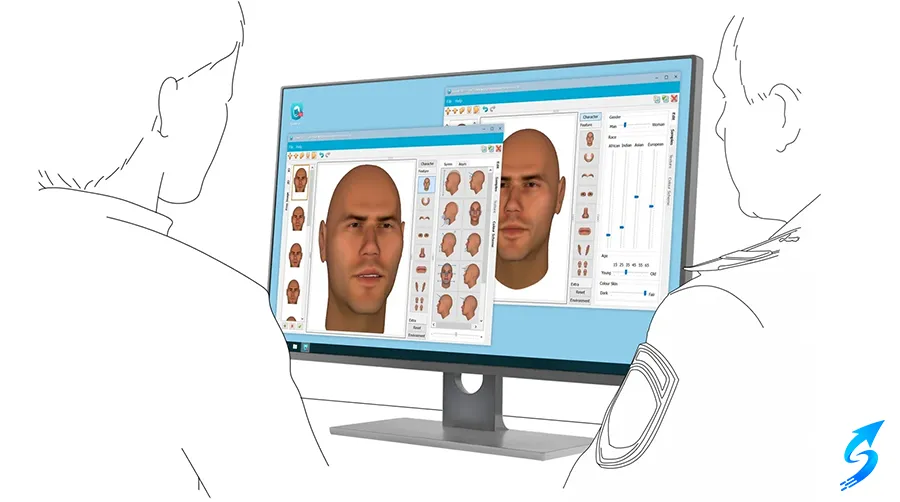
Challenges in Reconstructing the Face of a Criminal
Reconstructing the Face of a Criminal comes with several complex challenges, despite its effectiveness in criminal investigations. A major issue is the heavy reliance on eyewitness accounts, which are often influenced by memory distortion, stress, or bias. These inaccuracies can lead to incorrect reconstructions, potentially misguiding investigations rather than aiding them.
Another significant challenge in Reconstructing the Face of a Criminal is the intentional alteration of appearance by suspects. Criminals may use disguises, grow or shave facial hair, or even undergo cosmetic surgeries to hide their identity. Moreover, legal and ethical questions arise about the fairness of publishing reconstructed images, especially when there’s no confirmed evidence linking the suspect to a crime. These concerns demand careful handling to ensure the technology is used responsibly.
Future of Suspect Facial Reconstruction
The future of suspect facial reconstruction is undoubtedly tied to technological progress. With the development of more accurate algorithms in deep learning and big data analysis, the process is expected to become more reliable and precise. Integrating facial reconstruction systems with biometric databases and crime record systems can elevate the speed and accuracy of suspect identification to new levels.
Read More: Proving a Crime with CCTV Footage
Conclusion
In this article from the Chehre Negari website, we examined the concept of suspect facial reconstruction. Ultimately, reconstructing a suspect’s face serves as a powerful tool in solving and pursuing crimes. This process, which blends both art and science, plays a pivotal role in identifying criminals and preventing future offenses. Despite the existing challenges, the future of facial reconstruction is highly promising, and continuous technological advancements are paving the way for even more effective systems.