
Introduction
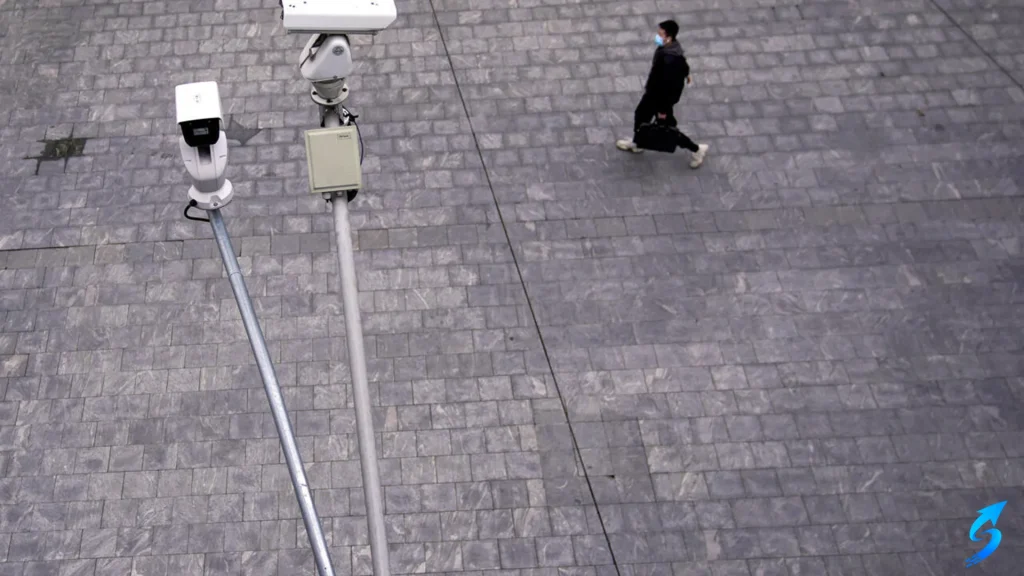
In today’s world, surveillance technologies play a vital role in security, criminal identification, and access control. One such technology that has gained significant attention is facial recognition systems. These systems, empowered by advanced algorithms and smart cameras, can identify individuals under various conditions. However, a major challenge remains: facial recognition when the face is covered by a mask or veil. In this context, the topic of a Face Recognition Camera Behind a Mask has become both intriguing and controversial—an issue this article aims to explore.
Face Recognition Camera Behind a Mask: Reality or Myth?
Many believe that modern technologies are now capable of identifying individuals even when their faces are partially covered by masks or veils. Despite the remarkable progress in artificial intelligence and computer vision, no Face Recognition Camera Behind a Mask has been introduced yet with reliable and operational capabilities.
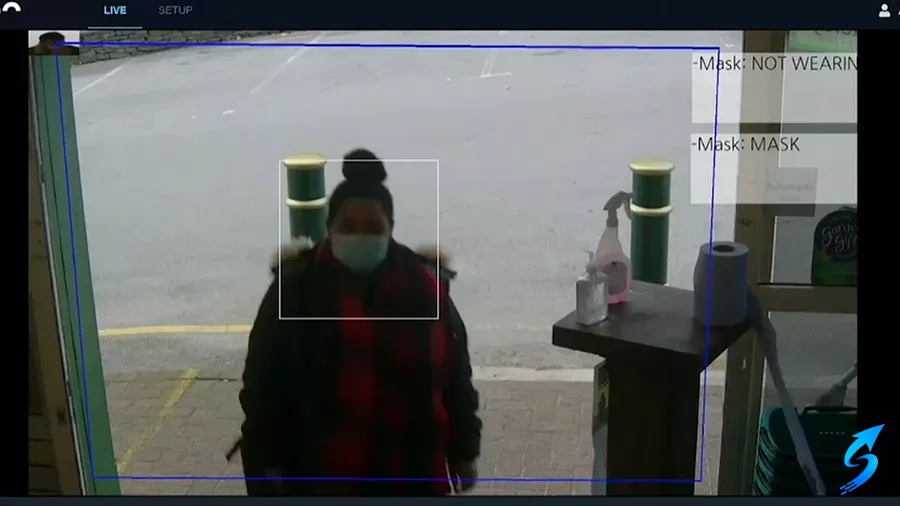
Current facial recognition systems rely on detecting key facial features such as the shape of the nose, eyes, jawline, and forehead. When these features are obscured by fabric or plastic, algorithm accuracy drops significantly. Therefore, the idea of a fully functioning Face Recognition Camera Behind a Mask still borders more on myth than reality.
Technical Limitations of Facial Recognition Cameras
Machine vision technologies still have several limitations, one of the most important being the inability to penetrate physical barriers like cloth or plastic. Even thermal or infrared cameras cannot accurately reconstruct facial features. Hence, under current technological conditions, these cameras are unable to identify faces directly and precisely when obscured.
The Role of Facial Sketching in Masked Face Identification
When facial recognition cameras cannot function due to obstructions like masks, the expertise of professional forensic sketch artists becomes highly valuable. These experts use visual clues such as eye shape, eyebrow lines, and other exposed features to reconstruct the suspect’s facial appearance.
By analyzing visual evidence and relying on experience, forensic artists can draw a hypothetical image of the suspect or even reconstruct the face of a masked thief. This method has proven useful in many criminal investigations and has occasionally led to the successful identification of offenders.
📞 For a free consultation or to receive professional forensic sketch services.
The Future of Facial Recognition Technology
Although a Face Recognition Camera Behind a Mask has yet to become a reality, the future of facial recognition technology looks promising. With ongoing advancements in deep learning algorithms and biometric data analysis, future systems may eventually be able to interpret unique facial patterns even behind obstructions.
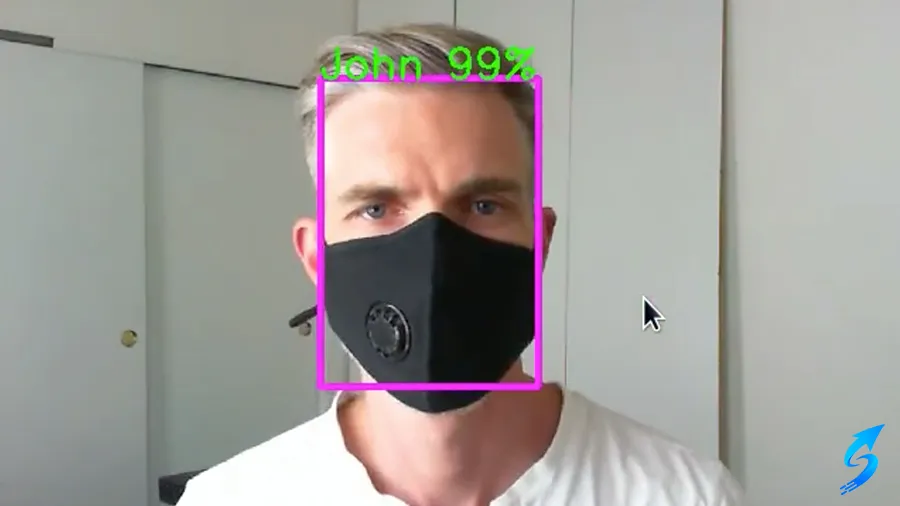
However, such technologies will inevitably raise legal and ethical concerns, particularly regarding individual privacy rights.
Is a Face Recognition Camera Behind a Mask a Threat to Privacy?
If one day a Face Recognition Camera Behind a Mask becomes operational, it is certain to spark extensive debate. Among the chief concerns will be potential violations of citizen privacy. In an increasingly monitored world, such technologies may pose a serious threat to personal freedom. Thus, transparent and carefully crafted policies will be essential to prevent misuse and protect civil liberties.
Read More: Reconstructing the Face of a Criminal: Techniques and Challenges
Conclusion
In this article on the Super Resolution website, we explored the concept of the Face Recognition Camera Behind a Mask. Based on current knowledge and available technology, no practical or operational system yet exists that can perform accurate facial recognition through masks. Therefore, identifying masked individuals still heavily relies on the expertise of forensic artists and experienced analysts.
Nonetheless, research in this field is rapidly advancing. It is possible that in the future, we will see technologies capable of bringing the idea of a Face Recognition Camera Behind a Mask closer to reality. Any progress, however, must align with ethical principles, human rights, and privacy protection to ensure that society benefits without compromising individual freedoms.